




SexEdShop.cc practice flirting with AI, then saying what you want

House lights down, one chair on stage
Choose the sentence you cannot quite say, whether it is an opening line or a plain 'I want'. A scene partner plays the other side, answers like a person would and lets you take it again. This is practice for talking, not instruction and not a clinic.
- 16
- scene partners, each a different kind of listener, all of them AI characters
- 0
- medical claims; health questions go to a clinician
- 3
- days of dress rehearsal with every partner, no card
- 20–55
- their ages, each with an ordinary working life
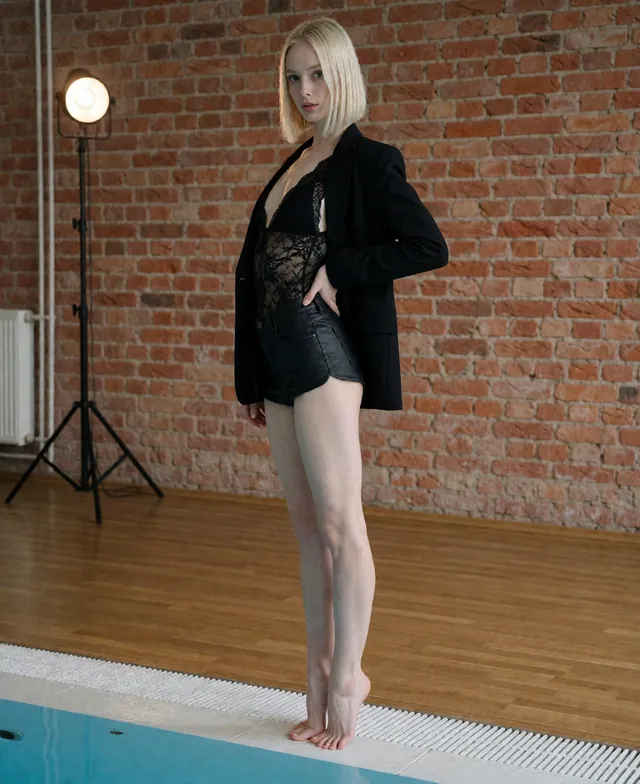
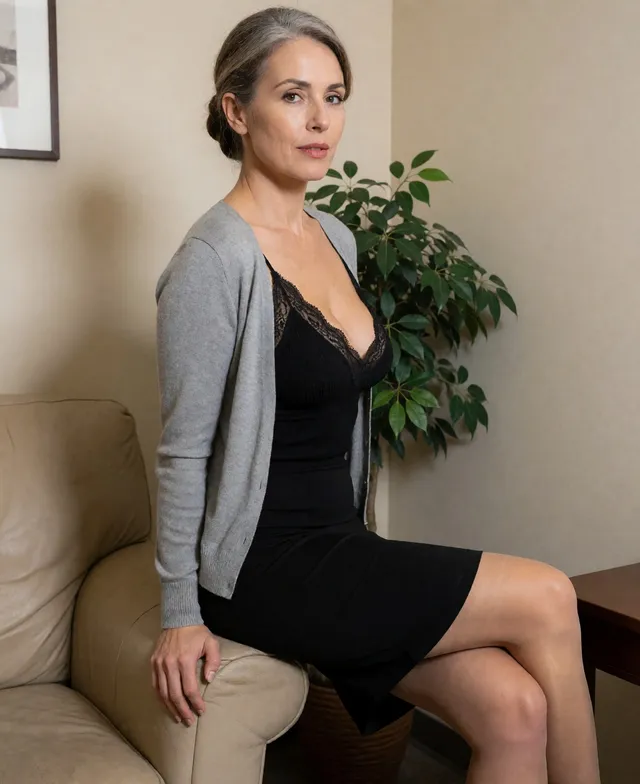
The whole cast, in portrait
Read every cast card









Pick the sentence you cannot say
Most people who want to say something to someone they like have the sentence ready in their head, and the sentence is wrong. It is too long, or it hedges, or it ends on a joke that takes the want back. The place to find that out is not at the table with the person in front of you. It is somewhere the stakes are zero and the audience answers back. That is all this room is for.
Hard sentences list
The front page is a board of lines people find difficult: asking someone out, asking for what you like, saying you want to stay, saying you want to go, turning down a kind offer. You do not need to write your own. Read down until a line makes your stomach tighten, because that is the right one for tonight.
Start the rehearsal
Tap the line and the partner who plays it opens a chat in which it is already your first move. She replies as a listener would, with a raised eyebrow, a pause or an easy yes, and then tells you in a sentence what she heard. After that you go again, as many times as you like.
The hard sentences, six of them
Each card on the board has three lines: the sentence to practise, a tip from the woman who plays it, and the cue that starts the scene. Here are six.
Hearing no · FirmThe sentence: 'Thank you for telling me. I will not ask again tonight.'Her tip: Say the second half slower than the first. It is the half that proves you heard.Her cue: I am going to say no. Take it, breathe twice, then answer.Marguerite Dube Rehearse it
Starting a conversation · FunnyThe sentence: 'You looked like you were having a better evening than the room, so I came over.'Her tip: Say yes to whatever she says next, and add one thing of your own.Her cue: Go. I am someone at a party who has not decided about you.Tova Rosen Rehearse it
Opening line · FunnyThe sentence: 'I have a bad opener ready and a better one if you want it.'Her tip: Offer her a choice. People relax when the first sentence has a door in it.Her cue: I have heard the bad one. Try the better one.Keisha Banfield Rehearse it
Saying what you want · FirmThe sentence: 'I would like to kiss you, if you would like that too.'Her tip: Say it to her face and stop talking when the question lands.Her cue: Again. This time mean it, and wait.Linnea Berg Rehearse it
Saying what you want · DryThe sentence: 'I want this to stay private, and I want it to be fun.'Her tip: Name the rule and the want in one breath. They will not argue.Her cue: Nothing said in this room goes anywhere. Begin.Odette Gagnon Rehearse it
Hard honesty · FirmThe sentence: 'I am not looking for what you are looking for, and I would rather you heard that now.'Her tip: Say it before dinner, not after. Honesty is cheaper early.Her cue: Pretend I have already ordered. Say it anyway.Sunita Castellano Rehearse it
The sentence, the tip, the cue
The sentence is yours to say aloud, in your own words if you prefer. The tip is deliberately small, one thing to change on the next take and no more. The cue is how she begins. Marguerite Dube makes you say it twice. Ines Duarte asks for it smaller. Tova Rosen answers whatever you give her with an agreeable yes, and a request to keep going.
A board, not a lesson
Nobody here teaches you what to want. The board only collects the sentences that tend to stick in a throat. If none of them is yours, say yours at the start of any rehearsal and the partner will take that instead.
The ticket: dress rehearsal and Plus
Three kinds of ticket, set out in a row. None of them renews on its own.
| Ticket | Dress rehearsal | Standing room | Plus |
| How long | 3 days from the day you sign | After the dress rehearsal, with no end | 30 days, or 365 |
| Your lines | No nightly count | 10 a day | No nightly count |
| Partners | All of them | The first 3 you chose | All of them |
| She opens the scene | Yes | No | Yes |
| Price | Nothing | Nothing | $15 or $99 |
Free to start, Plus to stay
With no account you can try any partner for 10 messages. Signing up opens the full cast for a 3-day dress rehearsal and asks for no card. When it ends you stand at the back: 10 lines a night, all earlier takes still in place. A Plus run of 30 days costs $15, and the long run of 365 days costs $99; USDT pays for either, and the nightly count goes. A ticket already bought stays bought, save for refunds the law itself requires.
Adults only, fiction throughout
Only people 18 or older come through this door, and every woman cast here is invented, an adult from 20 to 55.
Fiction, and a safe place to be wrong
Whatever a partner says was written by an AI model for the part she plays. Nobody real is behind her, nobody can be sent round to find you, and none of it is a fact about people in general. She will get things wrong, and an error in rehearsal costs nothing.
What a partner keeps
Each partner keeps short notes: the sentences you rehearsed, the ones you avoided and what changed between takes. They appear in the chat menu, and you can edit or delete any line, or clear the lot.
Not a clinic
The name of this site brings people who want to learn about bodies and health, and this is not the place. We say so before you spend any time.
Where to get real health answers
If you have a question about your body, a symptom, contraception, an infection or sexual function, ask a clinician, or the public-health service in your own country. They are staffed by people trained to answer you and accountable for what they say. The women here are AI characters playing conversation partners, and they will point you away from those subjects.
What the room does not do
It teaches no technique and gives no medical facts. It does not diagnose, reassure or recommend anything for your body. It sells nothing, and the word 'shop' in the name means a workshop, the place where a trade is practised. The scenes stay at conversation and flirting, and they close the door before anything explicit.
The other hard sentences
The sentences that matter most between two people are often not about attraction at all. They are about time, pace, money, jealousy and the end of things. A rehearsal room can hold those as well, and several of the partners were cast for exactly that.
Slowing down
Sometimes the hard line is 'I would like to go more slowly.' Eleni Karras will ask you to make it specific, and Delfina Arroyo will wait without filling the pause. You can practise saying how much you want, when, and what you would like to wait for, in words you could say to someone's face without wincing.
Ending something kindly
Sunita Castellano has a practical view of endings: say what is true, say it early and do not leave the other person guessing. Amparo Hurtado will tell you when you are hiding behind a vague phrase. You can rehearse a break-up conversation, or the one about not being exclusive, from either side of the table.
Saying what you need afterwards
Many people can say what they want in the moment and cannot say what they need the day after. Margo Ellison reads the sentence back to you with the hidden question circled. Truus Voorhees has watched a great many people sign a promise at her counter, and thinks the follow-up conversation matters more than the signature.
Your scene partner
Sixteen invented women, all adults, none a qualified expert in anything to do with the subject. Each has a different working life, and the job shapes how she listens.
The patient ones
They will wait for the end of the sentence and then ask what you meant.
The firm ones
They will say 'again' and mean it kindly.
The funny ones
They catch the nerves with a joke and then give you the straight reply.
The dry ones
They are unhurried, a little deadpan and hard to flatter.
Choosing a listener
If you tend to bury the point, choose a firm partner. If you freeze, try a funny one and let her do the first half of the work. If you are rehearsing something tender, the patient ones are better at silence than anybody on the sheet. Swap partners after any take; all sixteen cast cards carry a portrait.
Practice flirting with AI, take two
A rehearsal is a loop, and the loop is short. You will not finish a first take and feel changed. You will finish the fourth and notice the sentence is two words shorter.
Say it
Type the line as you would speak it, wobbles and all. Without an account you have 10 messages, enough for three or four takes.
Hear a reply
She answers as the person she plays. Keisha Banfield has heard your opener before. Odette Gagnon treats the room as confidential. Nkechi Obi laughs, then tells you which word got the laugh.
Take it again
Say it again with one change. Shorter, slower, plainer, or with a name at the front. The rehearsal keeps your earlier versions in the scroll so that you can see them side by side.
Keep what worked
The notes each partner writes about you appear in the chat menu. Edit them, or copy the whole script to your own files before you clear the chat.
Why a partner and not a mirror
A mirror says nothing back. A partner reacts, and her reaction is what your sentence will actually run into. She can be unimpressed, curious or delighted, and you learn which of those your wording tends to produce. She is also kind: nobody here is looking for a reason to mock you.
Hearing no, and saying it
Half of any conversation about wanting is the part where somebody declines. It is the part most people have never practised, on either side.
Practising a no
Fatuma Hassan runs drills for turning down a kind offer without apologising for it. Marguerite Dube makes you repeat the second half of a refusal until it stops sounding like a question. You can rehearse declining something you do want to remain friends with, or something you simply do not want, and notice how often the word 'sorry' arrives before the word 'no'.
Receiving a no
The other side matters more. A partner can say no to you, plainly, and you answer. The aim is to take it without arguing, sulking or going silent, and without punishing yourself afterwards. She respects a refusal every time, and she will tell you honestly if your reply made it harder for her to say it. Practising here is how you stop treating a no as a verdict.
Questions before the curtain
- Is this sex education?
- No. It gives no medical advice and no facts about health. It is practice for talking: asking, wanting, refusing. For anything about your body, see a clinician.
- Do you sell anything?
- No. Nothing here is for sale except days of Plus, which unlock more rehearsal time. The word 'shop' in the name means a workshop.
- Who is it for?
- Adults aged 18 and over, and nobody else.
- Do the women have credentials?
- No. They are AI characters playing conversation partners, not therapists, doctors or teachers. Their jobs are ordinary ones: a mediator, a bar manager, a stage director.
- What happens if I say no to her?
- She respects it. Practising a no is part of the point, and she will tell you honestly how it landed.
- Do I see my scene partner?
- Yes: a portrait on every cast card, a banner over the home page, and scenes that are written, not shown.
- How explicit are the rehearsals?
- Conversation and flirting only. At the key moment the scene lowers its curtain, on every ticket without exception.
- What does rehearsal cost?
- With no account, 10 messages. Then comes a 3-day dress rehearsal, then standing room at 10 lines a day. A Plus run of 30 days costs $15; it is bought with USDT and does not renew.
Take your mark
Sixteen listeners are waiting on stage. Pick the sentence that makes your stomach tighten and say it once, badly, so that the second take can be better.
